Pencil, Please: The Christmas Book That Knows Half of Carlton by Name
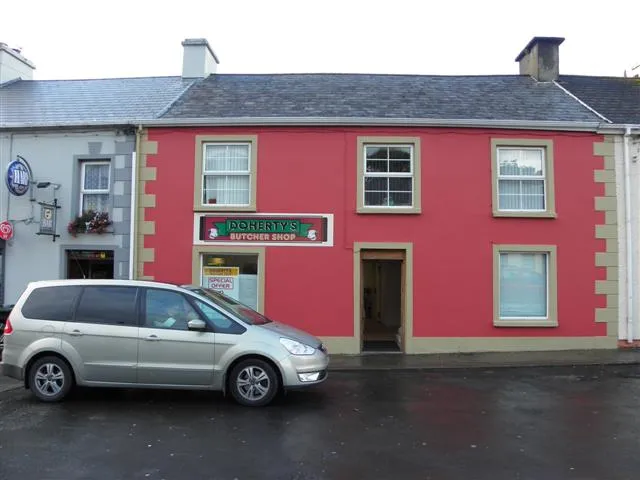
Photo: Kenneth Allen , CC BY-SA 2.0, via Wikimedia Commons
By half past seven on a damp Tuesday in mid-November, there are already four people outside Hollins' the Butcher on Market Row. The shop doesn't open until eight. Nobody seems bothered. This is the queue for the Christmas book — a dog-eared exercise book with a pencil on a piece of garden twine, and it has been the unofficial start of Christmas in Carlton for longer than most people can remember.
The Book Appears
Ray Hollins puts it out on the first Monday after Bonfire Night. Not in the window — on the counter, near the till, where you can lean on it. The cover says "ORDERS" in marker. Inside, columns in Ray's handwriting: name, item, weight, collection, deposit. The pencil is always the same one, sharpened at both ends, tied to the book so it doesn't walk. It has never walked.
This year the first name went in on 9 November. By the time you read this, there will be a good few pages filled. By the second week of December, the book will be a village roll-call in graphite: the Crofts, the Patels, the woman from the end of Chapel Lane whose name Ray writes as "Mrs B (the tall one)". Nobody minds. Mrs B doesn't either.
The Rituals of the Queue
There is an etiquette to it. You don't ask how long someone's been waiting unless you're prepared to hear about their knee. You don't hold the door for the person behind you if they're carrying a lead — dogs wait outside, tied to the ring by the drainpipe, and they know the drill. You do, absolutely, bring your own bag. Ray has bags, but he'll look at you.
The order of the queue is not strictly first-come-first-served. It's more like a loose agreement. The early birds — the ones who go to the 7am Mass or walk the dog past the shop anyway — get their names down first. Then the school-run contingent, then the ones who "just happened to be passing" at ten. By 11am there's usually a lull, and Ray uses it to ring round the farmers.
"You get to know the shape of the village," he says, wrapping a shoulder of lamb for a customer who is not in the Christmas book yet but will be by Friday. "The book tells you who's got a big family, who's on their own this year, who wants a small bird because they're going to their daughter's. It's not just orders. It's a bit of a map."
The Turkey Roll Call
The turkey page is the one everyone wants to see. It starts with the big birds — the 6kg and 7kg ones for houses with extra leaves in the table — and works down to the crown-only crowd and the "just a small joint, Ray, I'm not doing a whole one this year" brigade. There are pencilled arrows and crossings-out. One name has "goose?" written beside it, then a question mark, then "goose!" in different pencil. That's the sort of thing the book is for.
Ray reads the list back to you. Not loudly — just enough. "Right. Mrs Ellery, turkey, 4.5 kilos, collect the 23rd. Mr and Mrs Okafor, same as last year? Same as last year. And you're after pigs in blankets, aren't you? Two dozen?" The person nods. The person behind them in the queue nods too, because they're also after pigs in blankets, and now they know to say so.
The roll call is the bit that feels least like shopping. You hear your neighbour's name, and then you hear what they're having, and then you hear Ray say "and they're collecting on the 24th, so don't you be late" — and somehow that's more useful than the parish newsletter. You find out who's hosting, who's travelling, who's doing beef instead because the grandchildren don't like turkey. You find out that the Wilsons are having goose. You find out that someone's oven has given up the ghost and there's a spare roasting tin going spare if anyone needs it.
Pencil, Not Ink
Nothing in the book is in ink. That's deliberate. Orders change. Sizes change. Someone's sister decides to come after all. Someone's plans fall through. The pencil is the point — it means the book can take a rubbing-out. Ray has been known to ring people in the first week of December just to check: "You still want the 5kg? Because I've got a 5.5 and I don't want it sat in the fridge." Nine times out of ten, they take the 5.5. The book gets a new line. The pencil does its work.
The deposits go in a tin. The tin goes in the safe. The safe is mostly full of paperwork and a spare pair of glasses. This is not a slick operation. It is a village operation.
The Last Page
By Christmas Eve, the book is closed and the shop is a wall of white paper parcels. Ray and his small team — two of them, plus a nephew on the 23rd — will have handed over hundreds of orders, most of them with a "thanks, Ray" and a "you have a good one". The book goes in a drawer. In January it'll be used for the weekly order list, then the spring lamb, then it'll get a new cover and start again.
But for now, in mid-November, it's still mostly empty. There are pages to fill. The pencil is on its string. The queue starts at half seven. If you haven't put your name down yet, you might want to. Not because there's a shortage — Ray will tell you there isn't — but because the book is a nice place to be. It's your name in pencil, next to your neighbour's, and a butcher who knows exactly how you like your crackling.