The Bend, the Bin and the Bloke with the Bag of Salt

Photo: John H Darch , CC BY-SA 2.0, via Wikimedia Commons
There is a particular sound that tells you winter has properly landed in Carlton: not the crunch of frost underfoot, but the soft, gritty scrape of a shovel at twenty past six in the morning. It comes from the bend where Meadow Lane meets the chapel wall, and it usually means Derek is out again, working through a bag of salt he bought himself and will never mention to anyone.
By the time the first car edges past, the worst of the ice has gone. By the time the council lorry arrives, the bend has already been done. That, in a nutshell, is Carlton's unofficial winter weather plan. It is not written down. It has no chair, no minutes and no budget. It simply happens, year after year, because somebody notices and somebody else bothers.
The Six-Forty Walk That Beats the Forecast
Derek will tell you he is only out early because the dog insists. The dog, a sturdy terrier called Pip, gives every impression of being perfectly happy to stay in bed. But there he is, shovel over one shoulder, bag of grit in the other, working his way along the pavement before the school run turns it into a skating rink.
'It's the shaded bit that catches you,' he says, nodding at the stretch by the chapel where the sun never quite reaches in November. 'Forecast Says frost. Forecast doesn't say frost that stays put till lunchtime. You learn which bits hold the cold.'
That is the thing about local knowledge. It is not dramatic and it is rarely announced. It just quietly accumulates, like the grit in the bottom of a boot. Everyone in Carlton seems to know which corner freezes first, which drain blocks when the thaw comes, and which stretch of pavement turns into a shallow pond if nobody clears the leaves beforehand.
A Grit Bin Is a Social Contract
The grit bin near the phone box is not, strictly speaking, anyone's property. It is everybody's. This is a distinction that matters enormously in practice and not at all on paper.
When the bin is full, nobody comments. When it is half full, a few people start mentioning it in passing. When it is empty, the village enters a brief but intense period of diplomatic activity. Someone rings the council. Someone else says the council will only refill it if it is officially empty. A third person points out that it has been officially empty for nine days. Then somebody quietly buys a bag from the hardware shop and tops it up, and everyone agrees the matter has been dealt with.
The unwritten rule is simple: take what you need for the bit outside your own door, and if you have a spare bag, leave a little behind. The bin is not a depot. It is a handshake.
The Doorstep List That Nobody Printed
When the fog comes down properly, as it did on Tuesday, Carlton develops a second, less visible system. It involves doors. Not the doors you knock on, but the doors you check.
There is no official list. There does not need to be. Christine on the end terrace gets a knock because she will not ask for help but will accept a paper. The couple at the bungalow get a wave because their path iced over last time and they are too proud to mention it. The new family at number eleven get a note through the door with the bin collection day, the nearest bus stop and the name of the person who will lend them a shovel.
None of this is organised in any formal sense. It is just the sort of thing that happens when people have lived near each other long enough to know who is fine and who is fine but might appreciate a second pair of eyes.
A Field Guide to a Carlton Cold Snap
If you are new to the village, or simply want to spot the rituals, here is what to look out for.
- The early scrape. If you hear a shovel before seven, that is the bend being done. Do not offer to help unless you are wearing proper boots; you will be sent home.
- The shop salt bucket. The corner shop keeps a bucket by the door in cold weather. It is not a promotion. It is a public service with a price tag attached and a blind eye turned.
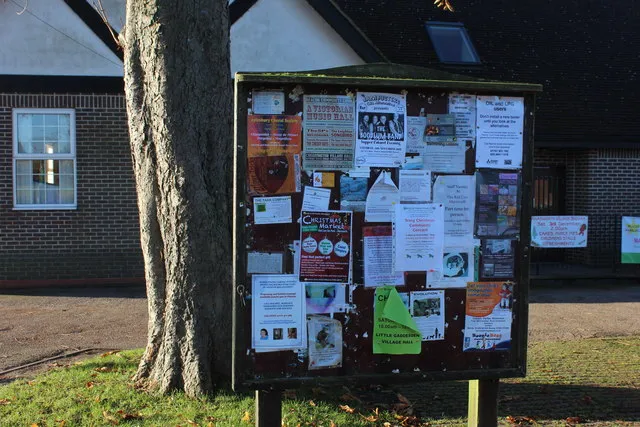
- The pub noticeboard. Look for the handwritten line that says 'stuck? knock'. It is not a slogan. It is a genuine offer from whoever is behind the bar that evening.
- The school-run messages. The group chat becomes a weather service, a road report and a lost-glove appeal in roughly that order.
- The postie's shortcut. If the postie changes route, take note. They know which paths are passable before anyone else does.
- The bin watch. If the grit bin looks low, it will be mentioned. If it looks empty, it will be discussed. If it is refilled, nobody will say who did it.
Gossip, With a Purpose
It would be easy to describe all this as gossip, and in a way it is. But it is gossip with a job to do. The information that travels fastest in Carlton is rarely scandal. It is the useful sort: the road is closed, the bin is empty, the path is lethal, the bus is late, the fog is thicker than it looks from the window.
That network is faster than any forecast because it is made of people who are actually outside. It is also more precise. A weather app will tell you it is cold. A neighbour will tell you the bend is bad, the chapel path is worse and the grit bin needs a word with the council.
What the Forecast Doesn't Tell You
The forecast will not tell you to salt before the freeze rather than after. It will not tell you to clear the drain before the thaw, or to check the path of the person who will never ring and ask. It will not tell you that the bend by the chapel holds the cold, or that the bin near the phone box is the village's most quietly contested piece of infrastructure.
Those things are learned by living here, by noticing, and by being the sort of person who goes out at twenty past six with a shovel and a bag of salt. Carlton's winter plan is not a plan at all. It is a habit. And like most good habits, it is easier to keep than to start.